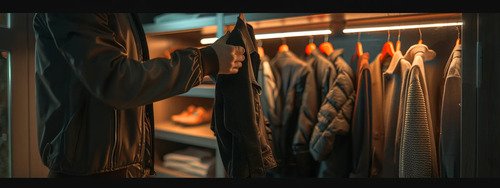
When the seasons change, the quest for the perfect light jacket becomes paramount. This seemingly simple wardrobe staple must tick off boxes for style, function, and versatility. Light jackets are far from one-trick ponies; they’re essential for layering, transitioning between seasons, and often serve as the statement piece of an ensemble. To find your ideal outer layer, it’s important to consider several factors, including occasion, weather, and personal style. Below, we delve deep into the world of light jackets to ensure you make the best choice for every setting.
Style Considerations: Matching Jackets With Your Wardrobe
Building a coherent wardrobe involves ensuring that new additions can be integrated with existing pieces. When selecting a light jacket, envisage it alongside your other clothing. A versatile jacket should complement multiple outfits, whether it’s casual jeans and a t-shirt or a more structured work attire.
For those with a minimalist aesthetic, choosing a jacket with clean lines and a simple design can harmonize with a range of looks. Pattern-lovers can opt for a jacket with a standout print, but should consider how it will mesh with other patterns they frequently wear. Balance is key to making a statement without overwhelming your outfit.
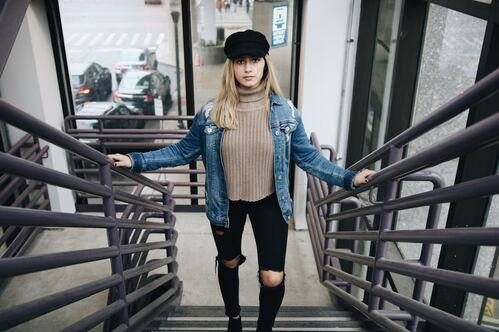
Transitioning between seasons can be challenging, but the right light jacket can ease the process. Consider layering a vestes légères et manteaux élégants pour femme over a summer dress for those cooler evenings, or pair it with a warm sweater during the fall. Style versatility allows for year-round wear, giving you more value for your clothing investment.
Key Features to Look for When Selecting a Light Jacket
When shopping for a light jacket, it’s imperative to consider several key features. Functional details such as pockets can be more than just design accents; they add practicality for carrying essentials. Zippers, buttons, and adjustable cuffs are not only aesthetic components but also provide versatility in fit and styling.
Another important aspect is the jacket’s silhouette and how it complements your body shape. A well-fitted jacket can flatter your figure, while a poorly fitted one can detract from your overall look. Remember that some styles, such as cropped jackets, might work better for certain body types or outfits.
The jacket’s lining is another feature that shouldn’t be overlooked. A lining can add extra warmth, making the jacket more suitable for cooler weather. Conversely, an unlined jacket might be preferable for hotter climates or if you’re seeking a lighter, more breathable layer.
The Best Materials for Light Jackets in Different Weather Conditions
Material choice is paramount when considering functionality in different weather conditions. For instance, a waterproof or water-resistant fabric is ideal for rainy days, whereas a light cotton or linen jacket might be more suitable for a warm, breezy day. The right material ensures comfort and practicality, regardless of the climate.
In cooler temperatures, look for light jackets with a blend of wool or a thermal lining that provides an added layer of warmth without the bulk of a heavy coat. Such materials can help you maintain a sleek appearance while keeping the chill at bay.
For humid climates, materials that offer breathability, such as light mesh or moisture-wicking fabrics, can prove invaluable. These materials allow air to circulate and sweat to evaporate, preventing you from feeling stifled or uncomfortable during warmer weather.
Care and Maintenance Tips to Keep Your Light Jackets in Prime Condition
Maintaining your light jackets should be a priority to extend their lifespan and keep them looking sharp. Always follow the care label instructions to avoid damaging the material. Gentle washing and air-drying can often preserve the jacket’s integrity longer than harsher treatment.
If your jacket is made of delicate fabrics such as leather or suede, regular conditioning can prevent it from drying out and cracking. Investing in specialized cleaning products can help maintain these materials’ suppleness and sheen.
Finally, minor repairs should be addressed as soon as possible to prevent them from becoming major issues. Reinforcing loose buttons or mending a small tear can save you from having to replace an otherwise perfectly good jacket. Paying attention to these details ensures your jackets always look their best.
Overall, choosing the right light jacket involves consideration of occasion, features, style compatibility, material, and maintenance. With the appropriate care and selection, your jackets can provide not just utility but also an expression of your personal style across various settings. So, whether you’re facing a brisk spring day or a cool summer evening, you’ll be prepared with the perfect light layer to complete your look.