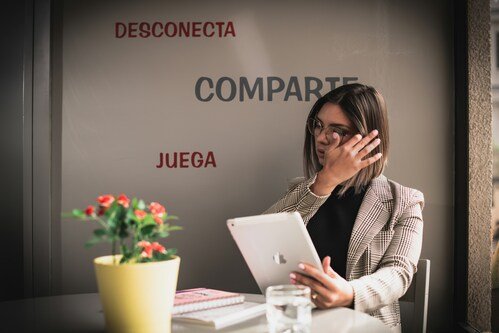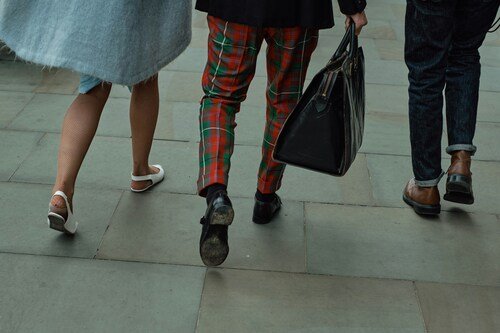
The quest to merge comfort with style in workplace attire is a challenge many professionals face. With 65% of businesses allowing business casual attire at least once a week, there is a growing shift towards more relaxed clothing that doesn’t compromise on professionalism. The challenge lies in finding that sweet spot where one’s outfit is both practical for a day’s work and chic enough to exude a professional image.
Being dressed appropriately not only enhances personal confidence but also positively influences how colleagues and clients perceive an individual. Below, we explore actionable strategies to achieve the perfect blend of comfort and style in workplace fashion.
Striking a Balance: Comfort Meets Style in Workplace Attire
The foundation of merging comfort with style lies in choosing the right fabrics and fits. Materials such as cotton, silk, and wool blends breathe, affording comfort throughout the workday while maintaining a polished look. Stretchable fabrics provide ease of movement, which is essential when one’s job involves being on the move.
Fits are equally important; too tight can be restrictive and uncomfortable, whereas too loose may appear unprofessional. A study by Harvard Business Review states that a well-fitting outfit can influence a person’s psychological state and increase abstract thinking, which is vital in professional settings.
Implementing these considerations can be as simple as opting for elegant workplace styles combining comfort and style, such as a tailored blazer with stretchable lining or fitted trousers with an elastic waist.
Dressing for Success: Integrating Personal Style With Professional Norms
Aligning personal fashion preferences with professional standards doesn’t have to be a compromise. The key is to curate a versatile wardrobe that reflects one’s personality while adhering to workplace dress codes. For example, a pop of color or a unique pattern can be tastefully incorporated into accessories or layering pieces.
According to a survey by Forbes, employees who incorporate personal style into their work attire reported feeling more confident and productive. This positive self-perception can translate into better performance and interpersonal interactions at work.
To start, one might consider a basic palette for core pieces like suits and pants, then add individual flair with statement jewelry, colorful scarves, or distinctive shoes that comply with office standards but spotlight personal style.
Smart Accessorizing to Elevate Office Outfits Without Sacrificing Comfort
Accessories can dramatically transform an outfit from average to outstanding. They can also serve as subtle ways to exhibit professionalism without forgoing comfort. For instance, a smartwatch combines functionality and fashion, keeping one connected and on schedule while being an on-trend accessory.
The Bureau of Labor Statistics notes that workers often feel more in control of their image when they have the autonomy to accessorize, which can lead to increased job satisfaction. This control enables employees to adapt their outfits to their comfort needs without compromising their style.
One might consider versatile items like a sleek leather belt that supports proper posture or ergonomically designed footwear that offers support for long periods of standing or walking while remaining stylish.
Navigating Dress Codes: Adapting Trends for the Modern Work Environment
Adapting to various workplace dress codes doesn’t mean abandoning current fashion trends. It’s about selectively incorporating elements that are in vogue into a professional wardrobe. For instance, wide-leg pants are making a comeback and can be styled in a corporate setting when paired with a fitted blazer.
A study by the Society for Human Resource Management found that more than 50% of offices now have a dress code that allows employees to dress “business casual” or with more flexibility on Fridays. This shift reflects an understanding that comfort can coexist with professionalism.
Ultimately, blending comfort and style in the workplace requires a mindful approach to selecting attire. By choosing breathable fabrics, incorporating personal touches, accessorizing wisely, and adapting fashion trends to professional environments, employees can create outfits that empower them to feel confident and comfortable. Feeling good in what one wears to work is not just a matter of personal satisfaction; it can also reflect positively on professional performance and workplace dynamics.