
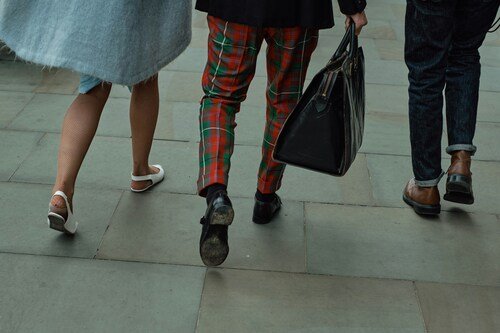
Introduction to Fashion Evolution
Fashion, at its core, is a form of expression that transcends mere clothing; it is a reflection of personal identity, societal values, and cultural changes. Throughout history, fashion has evolved remarkably, adapting to the dynamics of different eras and significantly influenced by cultural, social, and political movements. From the ornate garments of the Renaissance to the sleek, minimalistic styles of the modern age, the evolution of fashion portrays human history in vivid detail.
In its essence, fashion can be understood as a cultural material that is shaped by collective human experiences. It serves not only as an indicator of personal style but also as a powerful tool for expressing belonging to certain social groups. The garments people wear often reflect their social status, economic conditions, and even political beliefs. For example, the revolutionary fashions of the 1960s, such as the hippie movement, represented a significant shift in cultural norms and values, challenging traditional paradigms of society.
Furthermore, fashion is intertwined with the advancements in technology and global exchange of ideas. The introduction of synthetic fabrics, the rise of fast fashion, and the worldwide influence of social media have transformed how we perceive and engage with clothing. Each historical epoch has left its mark on fashion, with styles and trends serving as barometers of change and catalysts for further evolution. In this light, fashion is a compelling narrative woven through time, bridging generations while reflecting the complexities of the human experience.
Ultimately, the evolution of fashion encapsulates a broader understanding of human behavior and societal transformations, showcasing how clothing can be both a personal choice and a collective story that resonates through the ages.
Fashion Eras Overview
Fashion has always served as a reflection of society, embodying the values, beliefs, and innovations of its time. Throughout history, several key fashion eras stand out, each defined by distinct characteristics, trends, and cultural influences. Understanding these eras not only provides insight into the evolution of clothing but also showcases how societal changes drive fashion forward.
The Victorian era (1837-1901) is often noted for its opulence and elaborate designs. Women’s fashion during this period featured corsets, full skirts, and intricate detailing, often made from luxurious fabrics. Key designers like Charles Worth emerged, setting the stage for haute couture. This period was influenced by the Industrial Revolution, which enabled mass production of garments and the sewing machine’s invention, allowing for more complex designs.
Moving into the early 20th century, the 1920s, also known as the Roaring Twenties, ushered in a wave of change with the rise of flapper culture. This era was characterized by drop-waist dresses, bobbed hair, and an embrace of a more liberated lifestyle for women. Designers such as Coco Chanel revolutionized women’s fashion by promoting simplicity and comfort, setting trends that resonated with the cultural shift towards modernism.
The 1960s marked a significant departure from previous styles, with trends fueled by youth culture and rebellion. The emergence of countercultural movements brought forth bold patterns, vibrant colors, and clothing that celebrated self-expression. Designers like Mary Quant and André Courrèges embraced the spirit of the age, introducing mini skirts and mod styles that reflected the sociopolitical upheavals of the time.
As we progressed into the 1980s and 1990s, fashion saw the rise of streetwear, heavily influenced by hip-hop culture and the digital revolution. This era combined casual and luxury styles, blurring the lines between formal and informal wear. The advent of brands like Nike and the popularity of denim established a new fashion narrative focused on comfort and individuality.
In summary, each fashion era not only mirrors the aesthetic preferences of its time but also embodies the societal changes that prompted these transformations. By analyzing these key trends and the influential designers behind them, we gain a deeper understanding of how fashion intertwines with culture, technology, and the human experience.
The Impact of War and Economic Changes on Fashion
Throughout history, significant global events, particularly wars and economic changes, have had profound effects on the evolution of fashion. The fashion industry serves as a mirror reflecting social, political, and economic climates. The First and Second World Wars notably caused dramatic shifts in style and consumer behavior, illustrating how external challenges can redefine an era’s aesthetic.
During the 1940s, with World War II in full swing, clothing became utilitarian due to wartime rationing. The scarcity of materials led to a pragmatic approach to fashion. Designers emphasized functionality over frivolity, resulting in simplified silhouettes and restricted choices. Women’s fashion adapted dramatically; the iconic ‘make-do-and-mend’ ethos emerged, emphasizing creativity and resourcefulness. This shift created the practical yet stylish clothing that became emblematic of the wartime years, demonstrating how necessity directly influenced design.
Conversely, the period following World War I ushered in an era of exuberance and extravagance. The economic boom of the 1920s allowed for luxurious fabrics and innovative styles. Designers like Coco Chanel broke away from restrictive garments, promoting the flapper dress that symbolized independence and freedom. This era’s ability to quickly recover from turmoil showcases how fashion can act as a form of escapism, offering a sense of normalcy and joy amid the chaos of history.
Moreover, these instances illustrate that fashion not only reflects societal moods but can also provide comfort during times of crisis. In tough times, individuals often turn to fashion for solace, leading to increased interest in nostalgic styles that evoke refuge and familiarity. As such, the interplay between war, economic fluctuations, and fashion underscores the resilience of the human spirit, demonstrating how adversity can foster innovation and a renewed appreciation for personal expression through clothing.
Modern Fashion Trends and the Influence of Technology
The evolution of fashion is intricately linked to technological advancements, especially in the contemporary era. In recent years, the influence of technology on fashion has become more pronounced, with social media emerging as a pivotal platform for trends. Platforms such as Instagram and TikTok have transformed the way fashion is marketed and consumed, allowing designers and brands to reach wider audiences and gain instant feedback on their collections. Influencers and user-generated content have played a significant role in shaping modern fashion trends, making style more accessible and diverse.
Furthermore, the rise of sustainable fashion is a direct response to growing consumer awareness regarding environmental issues. With technological innovations enabling the development of eco-friendly materials and production processes, brands are increasingly prioritizing sustainability. This commitment not only resonates with environmentally conscious consumers but also sets the groundwork for a fashion industry that values ethical practices alongside aesthetic appeal. The blending of style and sustainability marks a significant shift in modern fashion, influencing purchasing decisions and brand loyalty.
Additionally, the impact of online shopping cannot be overlooked. The growth of e-commerce has revolutionized the fashion retail landscape, allowing consumers to browse and purchase from the comfort of their homes. This convenience has reshaped buying behaviors, with many shoppers now relying on online reviews and recommendations when making fashion choices. Virtual fitting rooms and augmented reality are emerging technologies that enhance the online shopping experience, providing greater personalization and reducing the uncertainty often associated with buying clothing online.
As we look towards the future, it is evident that technology will continue to play a vital role in shaping fashion. From advancements in artificial intelligence that help predict trends to blockchain technology that enhances supply chain transparency, the industry’s trajectory is likely to be characterized by innovation. The interplay between technology and fashion suggests a dynamic future where style, sustainability, and technology intertwine seamlessly.








Leave a Reply